Save the Grannies Simulation
Exploring safer home layouts through 3D reconstruction and humanoid simulation.
Built by Katherine Wang, Hai Bui, and Sean Tey, STGS recreates homes with Marble and runs hundreds of humanoid simulations to identify potential fall hazards.
The goal: use AI and robotics to help make homes safer for older adults.
Highlights
- Home photographs transformed into 3D environments with collision geometry
- Humanoid models adapted to approximate reduced strength and slower reactions
- Simulated falls used to flag potential hazards
- Home safety suggestions informed by National Institute on Aging guidance
How It Works
Marble generates a room’s appearance and collision mesh from reference photos. The team adds walkable areas, object behavior, and hazard responses, then runs modified Unitree G1 models through the environment with lower joint torque limits and delayed reactions.
The system uses simulated outcomes to prioritize hazards and suggest safer layouts. A key challenge was aligning the room’s appearance with its collision and navigation data—a convincing doorway could still block movement.
Tech Stack
- World Labs / Marble — Room generation and collision meshes
- Spark / Three.js — Gaussian splat rendering
- Mint.gg — Marble generation and asset retrieval
- Tripo AI — 3D hazard assets
- Unitree G1 — Adapted humanoid model
What’s Next
Automating hazard detection and classification, and using agents to identify and repair inconsistencies in the simulated environment.
More showcases
September 2026
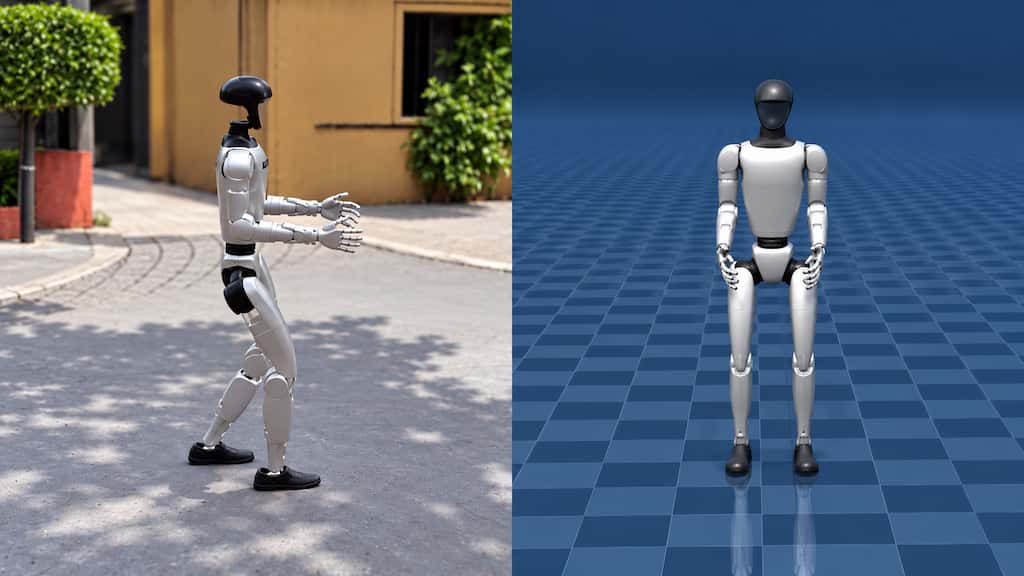
Humanoid Simulation with Marble
Turning real-world streets into 3D humanoid playgrounds with live physics and browser rendering.
September 2026
Living Scrolls
Bringing traditional ink wash paintings to life as explorable 3D worlds.

August 2026
Holonet ARC
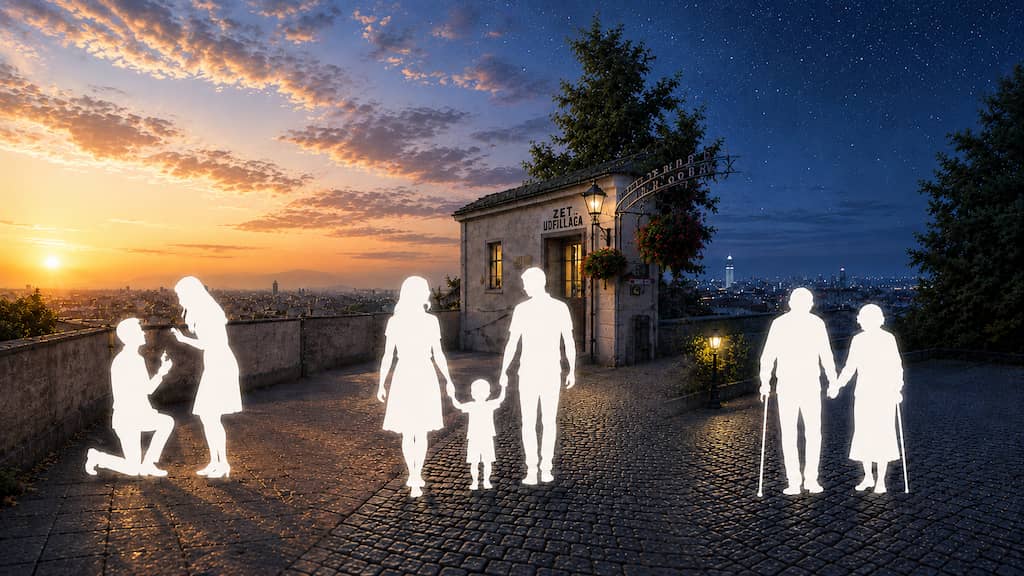
A lifetime unfolding in a single location overlooking Zagreb, Croatia.