Vitre
Vitre, French for a pane of glass, makes a desk monitor look see-through. The screen shows the hallway behind it from the viewer's exact point of view, so it reads as a window instead of a display. Built by Hugues Bruyère, co-founder and Chief of Innovation at Dpt., an interactive and immersive studio in Montreal.
The Experience
- A monitor that seems to disappear into the room
- The view shifts as you move, like looking through real glass
- The hallway behind it can be swapped for a generated one
How It Works
The hallway is captured as a 3D Gaussian splat and lined up with the physical space. A camera tracks the viewer, and Vitre renders the splat with off-axis projection in real time, so what is on screen always matches what would be behind it.
Ailleurs
Ailleurs, French for elsewhere, is the tool Hugues built around the Atlas API to put a different world behind the glass. It restyles the hallway capture, then generates new views using the original scan's depth and camera positions, which keeps the geometry and real-world scale. A new splat trained from those views goes back into Vitre, aligned with the real hallway.
Stack
- Mirrorless camera, PortalCam, or 360 camera for capture
- Ailleurs and the Atlas API for world generation
- Spirula Studio or Atlas for training the new splat
- Vitre for alignment, real-time splat rendering, camera tracking, and off-axis projection
What's Next
Hugues plans to keep bridging physical and generated worlds, making them more interactive and dynamic, beyond changing how a captured place looks.
More showcases
November 2026
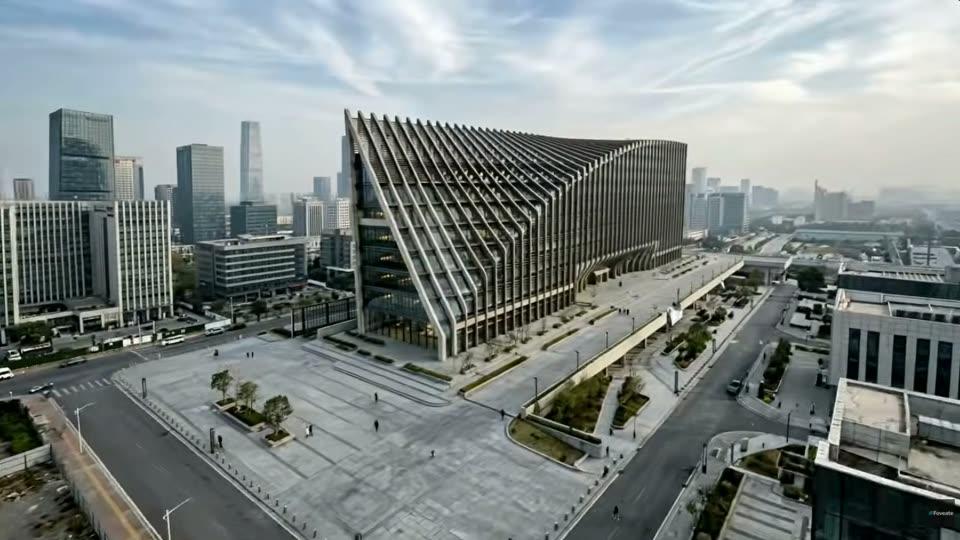
Foveate
Turning an architect's 3D walkthrough into a photoreal film of the building with Atlas.
October 2026
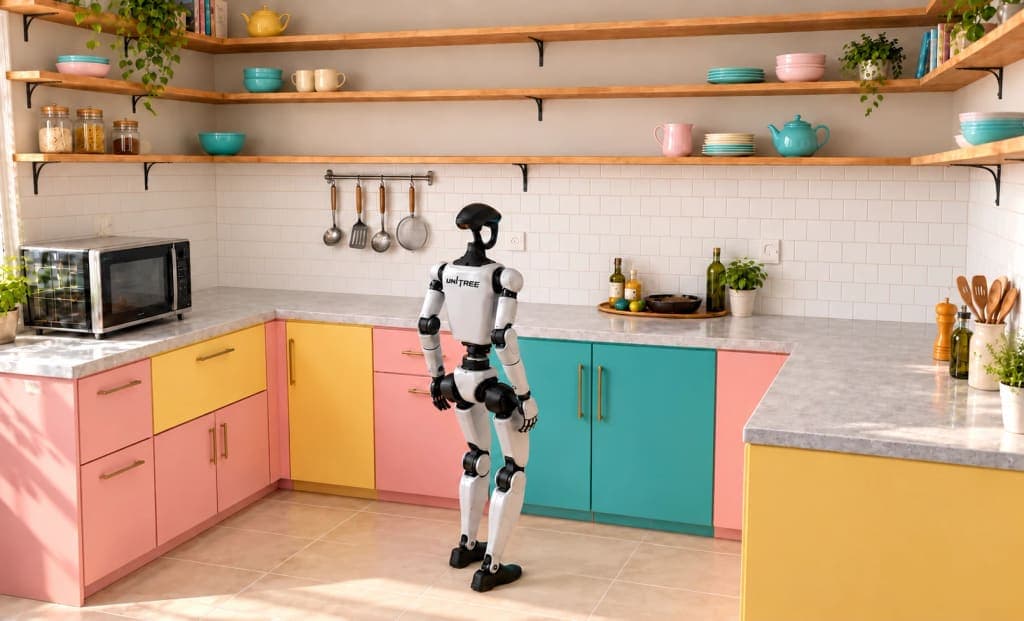
MuJoCo-GS-Web
Realistic robot physics inside Marble worlds, running in any browser, even on a phone.
September 2026
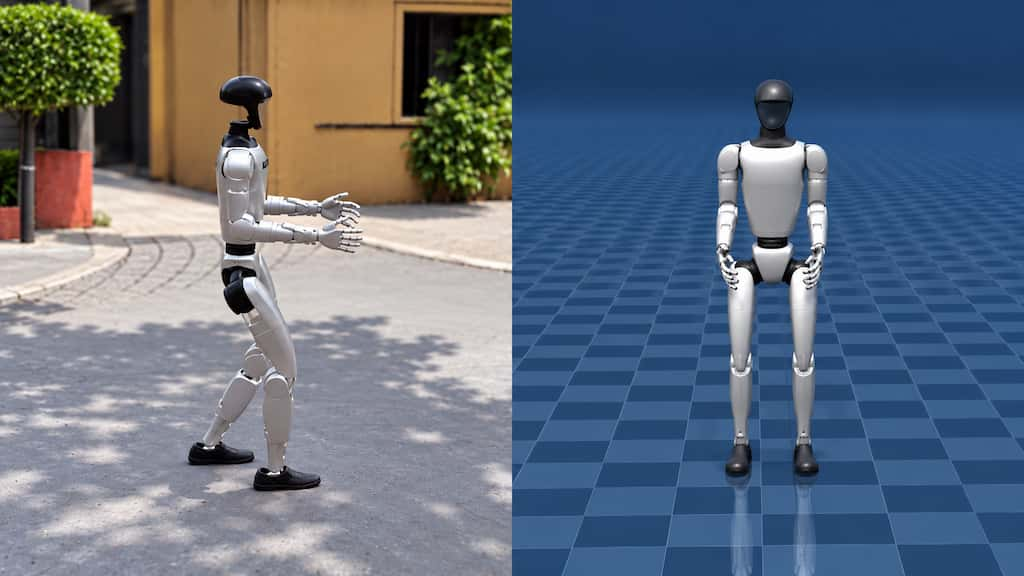
Humanoid Simulation with Marble
Turning real-world streets into 3D humanoid playgrounds with live physics and browser rendering.